


Peptide Stability, Storage, and Handling in Research Settings
Peptide Stability, Storage, and Handling: Best Practices in Research Settings
Proper storage and handling are essential to maintaining peptide integrity in laboratory environments. Even high-purity peptides can degrade if exposed to unsuitable temperatures, moisture, light, or repeated handling.
For researchers working in controlled analytical and in-vitro settings, understanding how peptides are stored and prepared is an important part of supporting consistency, stability, and reliable study conditions.
Why Peptide Stability Matters
Peptides are structurally sensitive compounds. Their stability can be affected by environmental conditions, solvent choice, repeated freeze-thaw cycles, and general handling practices. When these factors are not managed correctly, peptide quality may be compromised.
Maintaining stability helps support:
- Consistent laboratory handling standards
- Reduced degradation risk
- More reliable analytical preparation
- Better long-term storage performance
Lyophilised vs Reconstituted Peptides
Most research peptides are supplied in lyophilised, or freeze-dried, form. This format is widely preferred because it generally offers improved stability during transport and storage when compared with reconstituted solutions.
In general:
- Lyophilised peptides are better suited for longer-term storage when kept under correct conditions
- Reconstituted peptides are typically more sensitive and require greater care once prepared
Recommended Storage Practices
Storage conditions can vary depending on the peptide, but there are several widely accepted best practices used in research settings.
For lyophilised peptides:
- Store at low temperatures, commonly around -20°C or below
- Keep protected from moisture and humidity
- Limit unnecessary exposure to room temperature
- Store away from direct light where appropriate
For reconstituted peptides:
- Use refrigerated storage for short-term handling where suitable
- Freeze for longer-term storage only where appropriate to the peptide
- Minimise repeated freeze-thaw cycles
- Use clean, controlled preparation methods
Factors That Can Affect Peptide Integrity
Several environmental and procedural factors can influence peptide stability over time. Being aware of these variables can help reduce avoidable degradation.
- Temperature fluctuations
- Exposure to light, especially UV light
- Moisture and humidity
- Oxidation
- pH sensitivity depending on solvent and formulation
- Repeated opening, handling, or agitation
Best Practices for Handling in Research Settings
Careful handling is just as important as correct storage. Small procedural improvements can make a meaningful difference in preserving peptide quality within laboratory workflows.
- Use sterile and controlled handling techniques
- Prepare aliquots where appropriate to reduce repeated exposure
- Label clearly with batch details and preparation dates
- Avoid unnecessary agitation during preparation
- Follow product-specific storage guidance where available
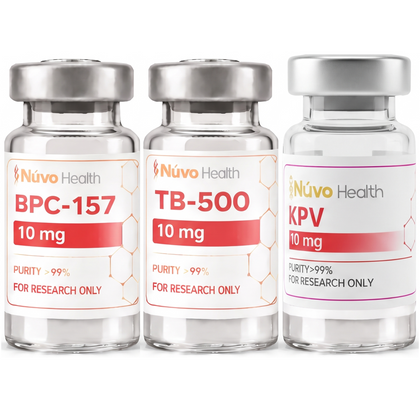
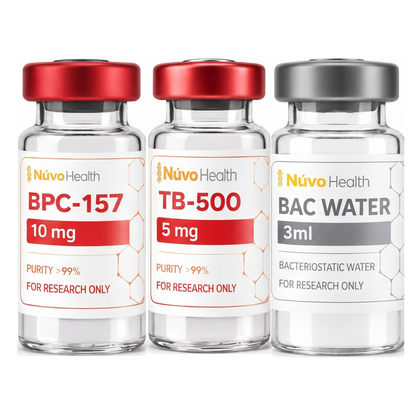
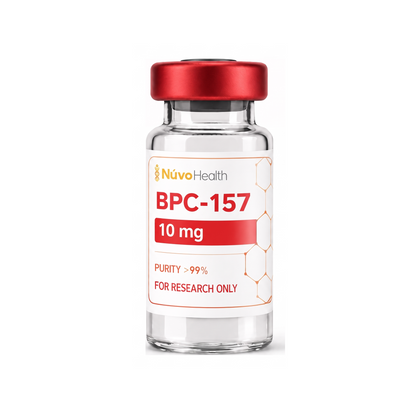
Working with professionally packaged, quality-verified materials can also help support better handling standards from the outset.
Conclusion
Peptide stability is a key consideration in laboratory and analytical research. From storage temperature to day-to-day handling, each step plays a role in maintaining structural integrity and supporting reliable preparation standards.
By following established best practices and sourcing from suppliers that prioritise quality, storage consistency, and professional presentation, researchers can better support dependable laboratory workflows.
Explore Our Research Peptide Collections
Our research peptide range is presented with quality-focused handling, batch consistency, and professional packaging standards suitable for controlled analytical and laboratory settings.
Browse the full collection to explore research-grade products supplied for analytical, laboratory, and in-vitro use.