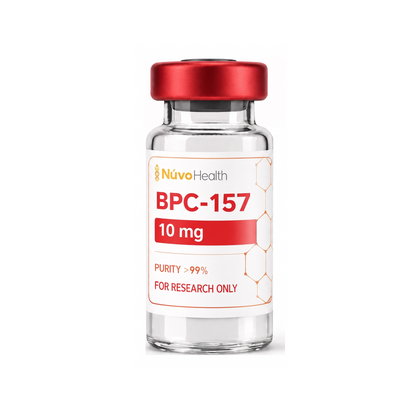
BPC-157
£29.50
Laboratory research supply
Nūvo Health Peptides supplies products exclusively for laboratory research and analytical purposes. Please confirm the following before entering the website.
By entering, you confirm that you understand these products are not intended for human consumption, diagnosis, treatment, or therapeutic use.
£29.50
From £24.99 – £69.99
From £29.99 – £58.99
From £32.99 – £57.99
£19.99
Knowledge — Documentation & guides
Latest · Clinical research
Tirzepatide acts at GIP and GLP-1 receptors and has substantial clinical research behind specific medicines. Explore what the trials show, why populations matter and why a research-labelled product cannot inherit a medicine’s evidence.


Clinical research
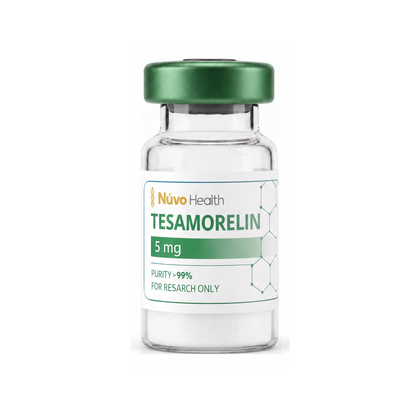
Tesamorelin has clinical evidence in a defined HIV-associated setting. Explore how those trials measured visceral fat, why that differs from general weight loss, and what the medicine label does not support.

NŪVO Insights
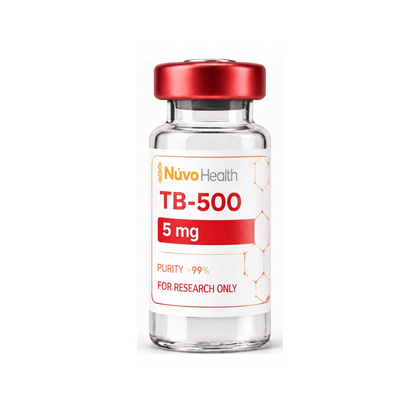
TB-500 is often discussed as though it were interchangeable with thymosin beta-4. Explore what analytical studies identified and why a fragment, a full-length peptide and a product label cannot share evidence automatically.

Cosmetic research
SNAP-8 is associated with acetyl octapeptide-3 in cosmetic research. Explore what multi-ingredient patch studies can reveal, why delivery matters and why results cannot automatically be credited to one peptide.

Neuroscience
Semax appears in research on neurotrophic signalling, including BDNF. Explore what rodent and cell studies measured, how those findings inform hypotheses, and why they cannot establish a predictable cognitive benefit in people.

Neuroscience
Selank research includes experiments on neurotransmission-related genes and GABA binding. Explore the difference between these mechanistic findings and evidence that an intervention safely improves anxiety, concentration or daily functioning in people.

Clinical research
Retatrutide activates GIP, GLP-1 and glucagon receptors. Explore what its clinical research investigates, why cross-trial comparisons are limited, and how to distinguish an investigational medicine from products using informal research labels.

Bremelanotide
PT-141 is also known as bremelanotide. Explore the population and outcomes studied in the RECONNECT trials, the boundaries of the US medicine indication, and why those findings do not validate every research-labelled preparation.

Cellular research
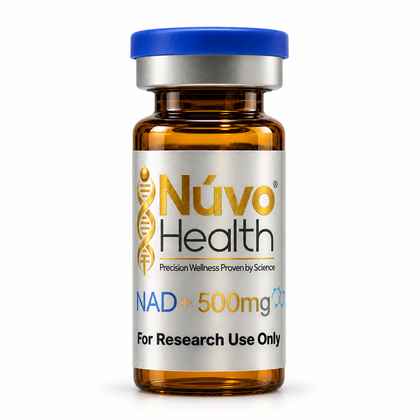
NAD+ is essential to cellular biology, but that does not settle the benefits of every NAD-related intervention. Explore human NR and NMN studies, ageing mechanisms and the limits of transferring evidence between molecules and routes.

Afamelanotide
MT-1 is commonly associated with melanotan I and afamelanotide research. Understand how pigmentation biology led to a specialist medicine for EPP, and why that evidence does not validate unlicensed tanning products.

Metabolic research
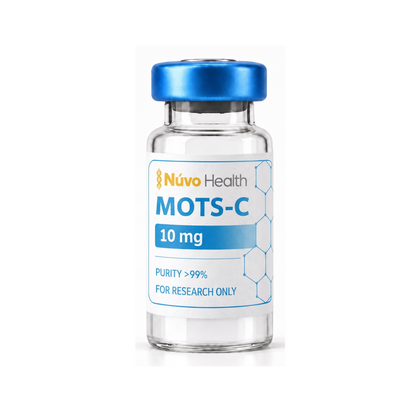
MOTS-c research suggests that mitochondria participate in cellular signalling as well as energy production. Explore the discovery studies, stress-response findings and human exercise observations without confusing them with evidence for supplementation.

Inflammatory signalling
KPV is a three-amino-acid peptide studied in inflammatory signalling. Explore the roles of cellular uptake and experimental intestinal models, and why findings in mice cannot establish a treatment for human digestive conditions.

Clinical research
Kisspeptin research links brain signalling with reproductive hormones. Explore human studies in IVF and hypothalamic amenorrhoea, and learn why findings for kisspeptin-54 cannot simply be transferred to every kisspeptin product or use.

Cellular research
GHK-Cu research examines how cells produce and remodel their surrounding matrix. Discover what foundational studies found and why cell, animal and cosmetic evidence should not be combined into a single promise of rejuvenation.

DSIP
DSIP has a long history in sleep research, but its name can create expectations the evidence does not support. Explore a controlled human study and the questions needed to interpret sleep-related claims.

CJC-1295
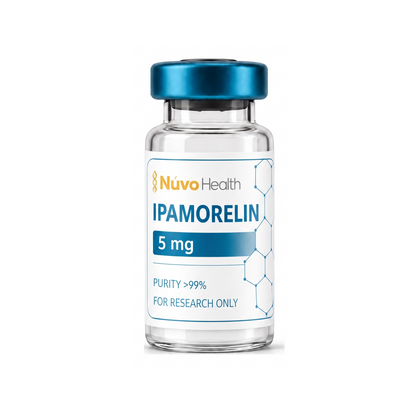
CJC-1295 and ipamorelin are often discussed together, but their research histories differ. Learn why exact molecular identity matters and why changes in growth hormone do not automatically establish improvements in health or performance.

Cagrilintide
Cagrilintide brings amylin biology into metabolic research. Explore the difference between the individual compound and CagriSema, what clinical studies have measured, and why combination results cannot be attributed to one ingredient.

BPC-157
BPC-157 attracts attention for tissue-repair research, but the type of evidence matters. We examine representative tendon experiments and explain what they do—and do not—establish about outcomes in people.

Fundamentals
A peptide’s name tells only part of its story. Explore how research peptides are studied, what analytical testing can establish, and why a laboratory result is different from evidence for a medicine.

BPC-157
KPV, BPC-157 and TB-500 are discussed together far more often than they are studied together. A look at what each one has actually been tested on, and how much of it applies to people.

GLP-1
Some healthy, normal-weight people are experimenting with very small amounts of GLP-1 medicines for appetite control, metabolic health and longevity. Here is what the clinical evidence does — and does not — support.

GHK-Cu
What GHK-Cu research actually shows across skin, collagen, wound repair, hair-follicle biology and broader rejuvenation science — including where the evidence is strong, where it is preclinical, and where claims outrun the data.

Antioxidant
Discover how glutathione supports antioxidant defence, liver metabolism and mitochondrial function — and compare oral, liposomal, IV and SubQ methods.

Longevity
How do SubQ NAD+, IV NAD+ and NMN capsules differ? Explore how each method affects NAD+ metabolism, why each route is researched and what human evidence supports.

Longevity
Discover how NAD+ supports cellular energy, mitochondrial function and DNA repair — and what human research actually shows about NAD+, NMN, NR and ageing.

Mitochondrial research
Discover how MOTS-C and SS-31 are being studied for mitochondrial signalling, cellular energy, metabolic regulation and mitochondrial disease.

Metabolic research
Retatrutide and MOTS-C represent two very different areas of metabolic research. Explore their mechanisms, clinical evidence, differences and current UK status.

Circadian Rhythm
Sleep is one of the foundations of long-term health. Explore what quality sleep does for the brain and body, the habits that matter most, and what current research really tells us about Epitalon, CJC-1295, ipamorelin and DSIP.

Bacteriostatic Water
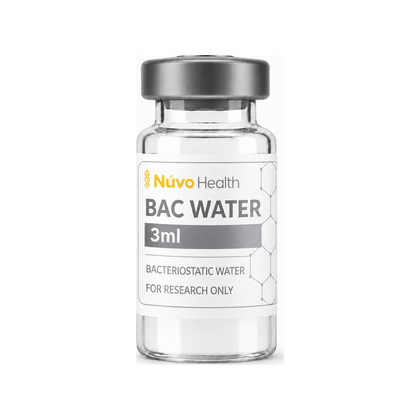
A laboratory-focused guide to bacteriostatic water composition, 3ml and 10ml vial sizes, documentation and research-only considerations in the UK.

Fundamentals
Why research compounds are freeze-dried and what it means for stability.

Testing
A field-by-field guide to batch documentation.