
Sleep, Health and Longevity: What the Science Says
Sleep is not simply time switched off. It is an active biological process that helps the brain and body maintain, repair and regulate themselves. For anyone interested in long-term health, recovery and healthy ageing, consistent high-quality sleep deserves to sit alongside nutrition, movement and stress management as a core priority.
Why sleep matters for health
While we sleep, the body moves through repeating cycles of non-rapid eye movement (NREM) and rapid eye movement (REM) sleep. Each stage contributes differently to physical restoration, memory, learning, emotional regulation and normal metabolic function.
The US National Heart, Lung, and Blood Institute explains that sleep supports healthy brain function and physical health. Regular sleep deficiency is associated with a higher risk of several long-term health problems, including cardiovascular disease, high blood pressure, diabetes, obesity, stroke and depression.
Sleep also interacts closely with the immune and endocrine systems. Heart rate and blood pressure normally fall during parts of sleep, while hormones involved in appetite, glucose regulation, stress and tissue maintenance follow daily rhythms linked to the sleep-wake cycle.
Sleep and longevity: what can we reasonably say?
Sleep should not be presented as a guarantee of a longer life. Longevity is influenced by genetics, environment, health conditions and many aspects of lifestyle. However, sleep is strongly connected with several systems that contribute to healthy ageing.
Large observational studies consistently associate very short or persistently disrupted sleep with poorer health outcomes. These studies cannot prove that sleep alone caused every outcome, but the overall evidence supports treating adequate, regular sleep as an important part of risk reduction and long-term wellbeing.
For most adults, a useful general target is seven to nine hours per night. Individual needs vary, and quality, regularity and daytime function matter as well as the number on the clock. Waking reasonably refreshed, having stable energy and being able to concentrate during the day are practical signs that sleep may be meeting your needs.
The foundations of better sleep
Before looking to supplements or experimental compounds, it is worth strengthening the fundamentals. These are better supported by evidence and address many common causes of poor sleep.
- Keep a regular schedule: aim for a similar waking time each day, including weekends.
- Use light deliberately: seek natural daylight after waking and reduce bright light in the evening.
- Create a wind-down routine: allow time for reading, quiet music, breathing exercises or another calm activity.
- Reduce late stimulation: limit phones, tablets and computers before bed where practical.
- Review caffeine, nicotine and alcohol: each can interfere with falling asleep or sleep quality.
- Move during the day: regular physical activity can support sleep, although intense exercise immediately before bed may not suit everyone.
- Optimise the room: a dark, quiet, comfortable and slightly cool bedroom works well for many people.
Persistent insomnia is not a personal failure or merely a problem of discipline. The NHS may offer cognitive behavioural therapy for insomnia, which targets the thoughts and behaviours that keep sleep problems going. Treating an underlying condition is often more useful than trying to sedate the symptom.
Peptides and sleep: understanding the research
Peptides are short chains of amino acids involved in many signalling processes. Some experimental peptides are discussed online as potential sleep or longevity aids, but the evidence varies greatly between compounds.
Important distinction: evidence that a compound changes a hormone, receptor or laboratory marker is not the same as evidence that it safely improves insomnia, sleep quality or lifespan in people. The compounds below are not established sleep treatments, and this overview is not a protocol or recommendation for use.
Epitalon (also written Epithalon)
Epitalon is a synthetic tetrapeptide related to research on pineal peptide preparations. Small and relatively old studies—many from a narrow group of researchers—have reported changes in night-time melatonin patterns or circadian hormone rhythms, particularly in older subjects with reduced pineal function. Animal and laboratory research has also explored possible ageing-related mechanisms.
This makes Epitalon scientifically interesting, but it does not establish that it treats insomnia, improves meaningful sleep outcomes or extends human lifespan. Independent replication, larger randomised trials and better safety data are still needed. It is best described as an experimental research compound rather than a proven sleep or longevity intervention.

CJC-1295
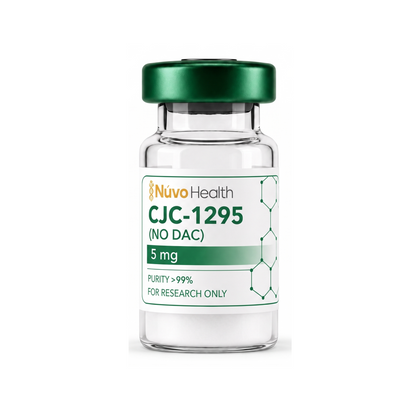
CJC-1295 is a long-acting analogue of growth hormone-releasing hormone (GHRH). Human studies have shown that it can raise growth hormone and insulin-like growth factor 1 (IGF-1) for an extended period while preserving some pulsatile growth-hormone secretion.
Growth-hormone release and deep NREM sleep are biologically linked, and studies using GHRH itself have sometimes reported changes in slow-wave or REM sleep. However, those findings cannot simply be transferred to CJC-1295. The published CJC-1295 studies primarily measured hormonal responses—not improvements in insomnia, sleep duration or sleep quality. It should therefore not be described as a proven sleep aid.

Ipamorelin
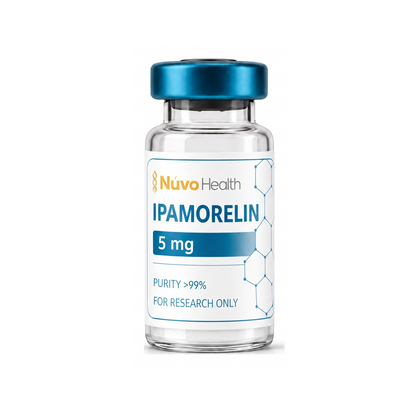
Ipamorelin is a growth-hormone secretagogue that acts through the ghrelin receptor pathway. Early human pharmacology research demonstrated a short-lived increase in growth-hormone release, while much of the wider mechanistic evidence comes from animal or laboratory work.
Although it is frequently paired with CJC-1295 in online discussions, direct clinical evidence showing that ipamorelin improves sleep quality in people is lacking. A hormonal effect should not be interpreted as proof of restorative sleep, better recovery or a longevity benefit.

Delta sleep-inducing peptide (DSIP)
DSIP is often named because sleep appears in its name, but the evidence is limited and inconsistent. In a small double-blind study involving 16 people with chronic insomnia, some objective measurements improved, yet the researchers concluded that the effects were weak and that short-term DSIP treatment was unlikely to provide major therapeutic benefit.
DSIP remains experimental. Its name should not be mistaken for proof that it is an effective or approved treatment for poor sleep.

What about melatonin?
Melatonin is a naturally occurring hormone rather than a peptide. It helps signal biological night and can be useful in particular circadian-rhythm situations, but it is not a universal solution for every sleep problem. In the UK, melatonin is a prescription-only medicine. Anyone considering it should discuss suitability, interactions and the cause of their sleep difficulty with a qualified healthcare professional.
An evidence-led conclusion
Sleep is one of the most valuable foundations of health, yet the basics remain more firmly supported than any experimental peptide: a regular rhythm, morning light, an appropriate sleep opportunity, a calm evening routine and investigation of persistent symptoms.
Peptides such as Epitalon, CJC-1295, ipamorelin and DSIP raise interesting research questions about circadian biology, growth-hormone signalling and sleep architecture. At present, however, none should be presented as a clinically established way to improve sleep quality or extend lifespan. Good science means being as clear about uncertainty as we are about possibility.
Nūvo research catalogue
Every compound is supplied for laboratory research only, with independent third-party testing and batch Certificates of Analysis. Browse all research compounds →
When to seek medical advice
Speak to a GP if sleep problems have lasted for months, are affecting daily life or have not improved with changes to your routine. Loud snoring, witnessed pauses in breathing, gasping or choking during sleep, morning headaches and persistent daytime sleepiness can be signs of sleep apnoea and deserve assessment.
Research and medical disclaimer: This article is for educational and scientific-interest purposes only. It does not provide medical advice, diagnosis, treatment recommendations or instructions for using any compound. Compounds discussed as experimental peptides are not presented as approved medicines or as suitable for human consumption. Always seek advice from an appropriately qualified healthcare professional about persistent sleep problems or treatment decisions.
Sources and further reading
- US National Heart, Lung, and Blood Institute: Why Is Sleep Important?
- US National Heart, Lung, and Blood Institute: How Much Sleep Is Enough?
- NHS: How to fall asleep faster and sleep better
- NHS: Insomnia
- NHS: Sleep apnoea
- Korkushko et al.: Pineal peptides and melatonin rhythm
- Teichman et al.: CJC-1295, growth hormone and IGF-1
- Gobburu et al.: Ipamorelin pharmacokinetics and pharmacodynamics
- Bes et al.: DSIP in chronic insomnia