
How to read a COA
A Certificate of Analysis (COA) is the document that accompanies a batch of research material and records what independent testing found. Learning to read one field by field lets you verify exactly what you are working with.
Identity fields
- Compound / product name — the material tested.
- Batch or lot number — the single most important field: it ties the certificate to a specific production run, and should match the number printed on your vial.
- Molecular formula and weight — the expected chemistry of the compound, used to confirm identity.
Test results
- Purity — usually reported as a percentage by HPLC, with the method and detection wavelength noted.
- Identity — confirmed by mass spectrometry (MS or LC-MS); the measured mass should match the expected molecular weight.
- Appearance — a short physical description, e.g. white lyophilised powder.
- Water / moisture content — relevant for lyophilised material, sometimes measured by Karl Fischer titration.
Handling and provenance
- Storage conditions — how the material should be kept.
- Test / report date — when the analysis was performed.
- Testing laboratory and accreditation — an independent lab, ideally ISO 17025 accredited, adds confidence that the methods are validated.
The one check to always make
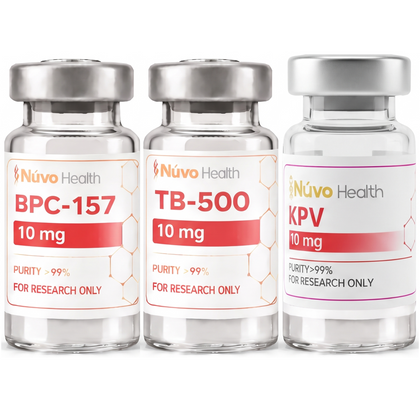
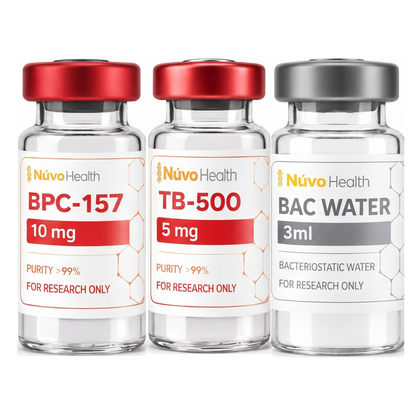
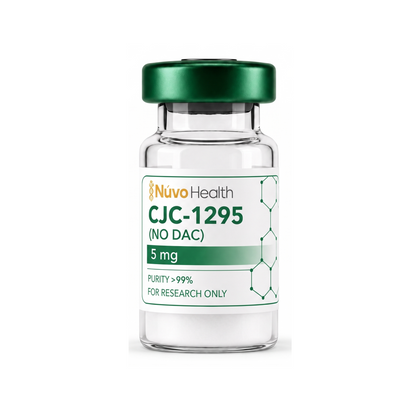
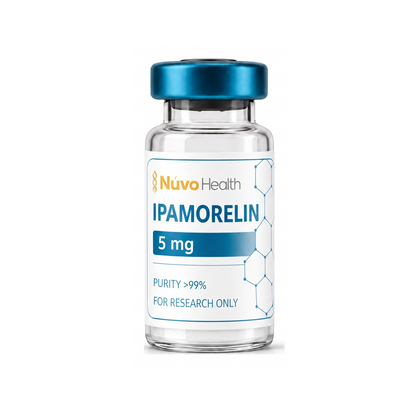
Match the batch number on the COA to the batch number on the vial. A certificate only describes the run it was generated from; if the numbers don't match, the document doesn't describe your material.
For laboratory and research use only. Not for human or animal consumption. Nūvo Health does not provide dosage, administration, or clinical guidance.